

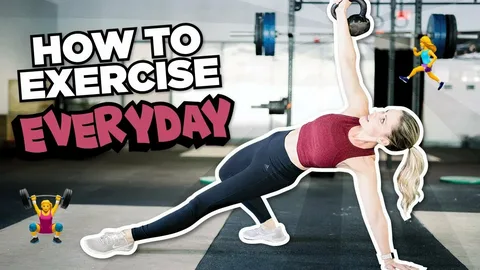
If you’ve ever started a workout routine only to quit after a few weeks, you’re not alone. Learning how to build a Consistent Fitness Plan That Works is the key to turning short-term motivation into long-term success. Many people begin with excitement, but without structure, clear goals, and sustainable habits, consistency becomes difficult.
In today’s fast-paced world, searches like best workout routine, fitness plan for beginners, how to stay consistent with exercise, and weight loss workout plan rank on the first page of Google. That’s because people don’t just want quick results—they want a system that fits their lifestyle. This comprehensive guide will help you create a realistic, effective, and sustainable fitness plan that delivers measurable progress.
Why Consistency Is the Secret to Fitness Success

Before diving into strategy, it’s important to understand why consistency matters more than intensity.
You don’t need extreme workouts. You need regular effort.
Benefits of a consistent fitness routine include:
-
Improved cardiovascular health
-
Sustainable weight management
-
Increased muscle strength
-
Better mental health
-
Higher energy levels
Research from the World Health Organization emphasizes the importance of regular physical activity for long-term health (suggested outbound anchor text: global physical activity guidelines).
Consistency builds momentum. Momentum builds results.
How to Build a Consistent Fitness Plan That Works for Your Goals
This section provides a structured blueprint you can follow immediately.
Step 1: Define Clear and Realistic Fitness Goals
The foundation of How to Build a Consistent Fitness Plan That Works starts with goal setting.
Ask Yourself:
-
Do I want to lose weight?
-
Build muscle?
-
Improve endurance?
-
Increase flexibility?
-
Boost overall health?
Make your goals SMART:
-
Specific
-
Measurable
-
Achievable
-
Relevant
-
Time-bound
Step 2: Choose a Workout Routine You Enjoy
One of the biggest reasons people quit is boredom.
Popular first-page search keywords include:
-
home workout plan
-
gym workout routine
-
strength training exercises
-
cardio workout for fat loss
-
beginner fitness program
Options to Consider:
-
Strength training
-
Bodyweight workouts
-
Running or cycling
-
Yoga or Pilates
-
HIIT workouts
-
Swimming
If you enjoy the activity, you’re more likely to stay consistent.
Step 3: Create a Weekly Fitness Schedule
Planning removes excuses.
Example Weekly Plan:
-
Monday: Strength training
-
Tuesday: Cardio
-
Wednesday: Rest or stretching
-
Thursday: Full-body workout
-
Friday: Cardio
-
Weekend: Active recovery (walking, yoga)
When building How to Build a Consistent Fitness Plan That Works, always schedule rest days. Recovery prevents burnout and injuries.
Step 4: Focus on Progressive Overload
Your body adapts quickly. To see results, you must gradually increase difficulty.
Ways to progress:
-
Increase weights
-
Add repetitions
-
Extend workout duration
-
Reduce rest time
Small improvements each week create noticeable long-term results.
Step 5: Support Your Fitness Plan with Proper Nutrition
Exercise alone is not enough.
Important related keywords include:
-
healthy diet plan
-
protein intake for muscle growth
-
meal prep ideas
-
weight loss nutrition
Basic Nutrition Guidelines:
-
Eat balanced meals (protein, carbs, healthy fats)
-
Stay hydrated
-
Avoid excessive processed foods
-
Monitor calorie intake if needed
Fitness and nutrition go hand in hand.
Step 6: Track Your Progress
Tracking keeps you accountable.
You can monitor:
-
Body weight
-
Measurements
-
Strength improvements
-
Workout frequency
-
Energy levels
Tracking apps, journals, or simple spreadsheets work effectively.
Internal Link Suggestion:
You can link to a related article using anchor text:
👉 “Healthy Eating Habits for Sustainable Weight Loss.”
Step 7: Build Discipline, Not Just Motivation
Motivation comes and goes. Discipline creates long-term results.
Tips to stay consistent:
-
Set a fixed workout time
-
Prepare clothes in advance
-
Find a workout partner
-
Celebrate small wins
-
Avoid perfectionism
Even a short 20-minute workout is better than skipping completely.
Common Mistakes That Break Fitness Consistency
Understanding what to avoid is just as important as knowing what to do.
1. Doing Too Much Too Soon
Starting with extreme workouts leads to burnout.
2. Ignoring Recovery
Muscles grow during rest, not during exercise.
3. Comparing Yourself to Others
Fitness journeys are personal.
4. Not Having a Structured Plan
Random workouts rarely deliver long-term results.
Mental Strategies for Staying Committed
Mental strength supports physical strength.
Visualization
Imagine achieving your fitness goals. This strengthens motivation.
Habit Stacking
Attach workouts to an existing routine. Example: Exercise right after brushing your teeth in the morning.
Reward System
Reward yourself after completing weekly goals (non-food rewards work best).
Home vs Gym: Which Fitness Plan Works Better?
Both options can support How to Build a Consistent Fitness Plan That Works.
Home Workouts
-
Flexible schedule
-
No commute
-
Budget-friendly
Gym Workouts
-
Access to equipment
-
Professional trainers
-
Motivating environment
Choose what fits your lifestyle.
Long-Term Benefits of a Consistent Fitness Plan
When you follow How to Build a Consistent Fitness Plan That Works, you gain:
-
Reduced risk of chronic diseases
-
Improved heart health
-
Stronger immune system
-
-
Better sleep quality
-
-
Increased confidence
Fitness improves not only your body butalso your mindset.
Conclusion: Start Learning How to Build a Consistent Fitness Plan That Works Today
Success in fitness doesn’t come from extreme effort—it comes from smart planning and steady action. By following the strategies outlined in How to Build a Consistent Fitness Plan That Works, you can create a realistic routine that fits your lifestyle and produces lasting results.
Don’t wait for the perfect moment. Start small, stay consistent, and adjust as needed. Commit today to How to Build a Consistent Fitness Plan That Works, and build a healthier, stronger version of yourself for the long term.
