

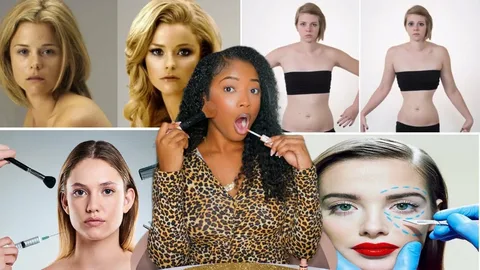
The Role of Beauty in Society and Personal Identity is a powerful concept that shapes how individuals see themselves and how communities define value, culture, and belonging. Beauty influences social interactions, media standards, confidence levels, and even economic trends. From ancient civilizations to modern digital platforms, perceptions of beauty have guided art, fashion, identity, and status.
In today’s world, beauty is no longer limited to physical appearance. It reflects personality, authenticity, creativity, and individuality. Understanding how beauty functions within society and personal identity helps individuals develop self-awareness while recognizing broader cultural influences. This article explores how beauty affects social norms, mental health, media representation, and personal empowerment.
Understanding the Role of Beauty in Society and Personal Identity
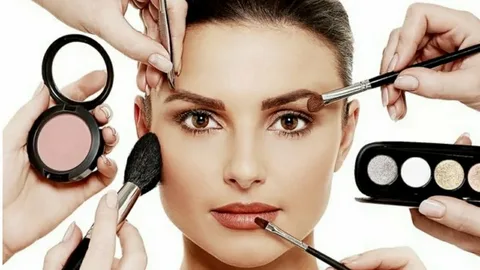
Beauty has always been deeply connected to cultural values. Different societies define beauty in unique ways based on traditions, history, and social expectations.
Beauty as a Social Construct
Sociologists often describe beauty as a social construct.
-
Body types are valued across different regions
-
Skin tones and beauty standards
-
Fashion and grooming preferences
-
Facial symmetry and cultural symbolism
These variations highlight how society shapes beauty norms rather than beauty being universally fixed.
The Historical Perspective of Beauty in Society
Throughout history, beauty standards have evolved dramatically.
Ancient Civilizations
In ancient Egypt, beauty symbolized power and divinity. In Greece, symmetry represented perfection. During the Renaissance, fuller body shapes symbolized wealth and prosperity.
Modern Era
Today, social media platforms influence beauty trends at an unprecedented rate. Filters, influencers, and global fashion brands continuously reshape ideals.
For deeper research on beauty standards and social psychology, you may explore academic resources from reputable platforms like the American Psychological Association.
The Psychological Impact of Beauty on Personal Identity
KewoThe Role of Beauty in Society and Personal Identity goes beyond physical appearance. It significantly impacts mental health, confidence, and self-worth.
Self-Esteem and Body Image
When individuals feel aligned with societal beauty standards, they often experience increased confidence. However, unrealistic standards can also lead to:
-
Body dissatisfaction
-
Anxiety and depression
-
Social comparison
-
Low self-esteem
Identity Formation
Beauty plays a crucial role in how people express their identity. Hairstyles, clothing, makeup, and grooming choices reflect personality, beliefs, and lifestyle.
Beauty and Media Influence
The media is one of the strongest drivers shaping perceptions of beauty.
Social Media and Digital Beauty Standards
Platforms promote curated images that often represent idealized lifestyles. This can influence:
-
Fashion trends
-
Skincare routines
-
Cosmetic procedures
-
Fitness culture
Advertising and Beauty Culture
Beauty industries invest heavily in marketing to shape consumer perception. The global beauty industry continues to grow because appearance remains socially influential.
Important related search keywords people use on Google include:
-
Beauty standards in society
-
Impact of beauty on self-esteem
-
Beauty and identity psychology
-
Cultural beauty standards
-
Social media and beauty perception
-
Importance of beauty in society
-
Beauty and mental health
Including these strengthens SEO relevance.
Cultural Diversity and Expanding Beauty Definitions
Modern society is increasingly challenging narrow beauty standards.
Body Positivity Movement
The body positivity movement encourages acceptance of diverse shapes and sizes.
Inclusivity in Fashion and Media
Brands now feature models of different ethnicities, ages, and body types to reflect realistic diversity.
This shift shows that KewoThe Role of Beauty in Society and personal identity is evolving toward inclusivity rather than exclusion.
Economic and Social Influence of Beauty
Beauty has economic value. Industries such as fashion, skincare, cosmetics, fitness, and plastic surgery generate billions annually.
Career and Social Opportunities
Research suggests appearance can influence:
-
Hiring decisions
-
Social perception
-
Networking opportunities
-
Public image
However, this raises ethical discussions about fairness and bias.
Personal Empowerment Through Beauty
Beauty can empower when it aligns with authenticity rather than pressure.
Self-Expression
People use beauty to communicate identity through:
-
Clothing style
-
Hairstyles
-
Cultural attire
-
Personal grooming
Confidence Building
When beauty choices reflect personal values instead of societal pressure, confidence increases naturally.
Balancing External Beauty and Inner Identity
True identity combines outer presentation and inner values.
Inner Beauty and Character
Qualities like kindness, intelligence, empathy, and integrity form lasting impressions. While physical appearance may attract attention, character builds long-term respect.
Authenticity Over Perfection
Modern discussions increasingly promote authenticity over unrealistic perfection. This shift is reshaping KewoThe Role of Beauty in Society and personal identity in healthier ways.
Conclusion: Embracing The Role of Beauty in Society and Personal Identity
The Role of Beauty in Society and Personal Identity continues to evolve as cultures shift, technology advances, and individuals seek authenticity. Beauty influences identity, confidence, culture, and opportunity. However, true empowerment comes from balancing societal influence with personal authenticity.
Understanding beauty’s impact allows individuals to navigate social expectations wisely while building self-confidence rooted in values rather than comparison.
Now is the time to redefine beauty on your own terms. Reflect on how KewoThe Role of Beauty in Society and personal identity shapes your life, and choose self-expression that aligns with your true identity.
