


Public opinion has always played a significant role in shaping political decisions, government actions, and legislative reforms. Analyzing the Impact of Opinion on Policy is essential for understanding how citizens influence policymakers and how democratic systems respond to societal needs. From healthcare and education to environmental regulations and economic reforms, public sentiment often serves as a guiding force behind policy development.
In today’s digital era, opinions spread rapidly through social media, online surveys, news platforms, and public forums. Governments, political leaders, and organizations increasingly rely on public feedback to make informed decisions. Understanding the relationship between public opinion and policymaking provides valuable insights into governance, accountability, and democratic participation.
This article explores how public opinion influences policy decisions, the mechanisms through which opinions are measured, the challenges involved, and why policymakers must carefully balance public sentiment with expert knowledge.
What Does Analyzing the Impact of Opinion on Policy Mean?
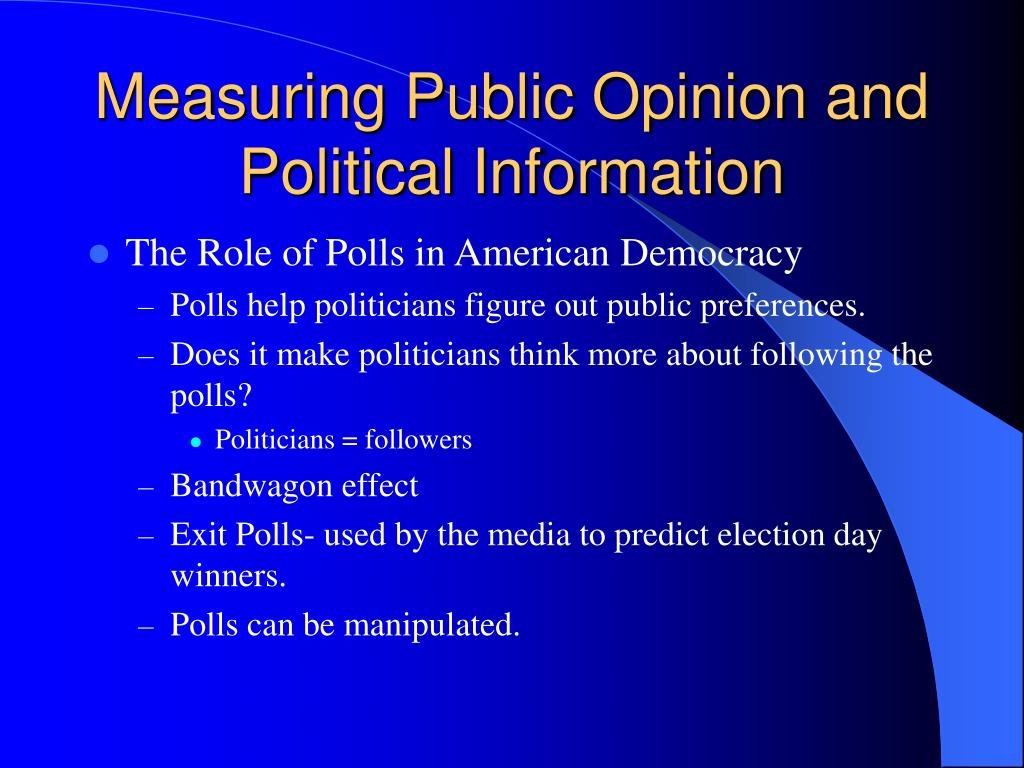
Analyzing the Impact of Opinion on Policy refers to the study of how public attitudes, beliefs, and preferences affect governmental decisions and policy outcomes. Policymakers often assess public opinion to determine which issues matter most to citizens and how proposed policies are likely to be received.
This analysis involves:
- Public opinion polls
- Surveys and questionnaires
- Social media sentiment analysis
- Public consultations
- Community engagement initiatives
- Election results
The goal is to identify patterns in public sentiment and understand how those patterns influence policy formulation and implementation.
Why Public Opinion Matters in Policymaking
Public opinion serves as a critical component of democratic governance. Elected officials are accountable to voters, making it essential to understand citizen perspectives.
Democratic Legitimacy
Governments derive legitimacy from public support. Policies aligned with public preferences are more likely to gain acceptance and compliance.
Policy Effectiveness
Policies that reflect public needs often achieve better outcomes because citizens are more willing to cooperate with implementation efforts.
Political Accountability
Public opinion acts as a mechanism for holding leaders accountable. Politicians who ignore voter concerns may face electoral consequences.
Social Stability
Listening to public concerns helps governments address grievances before they escalate into larger social or political conflicts.
Analyzing the Impact of Opinion on Policy in Modern Democracies
Modern democracies rely heavily on public feedback mechanisms. Governments continuously monitor public sentiment to guide policy decisions.
Opinion Polls and Surveys
Polls provide quantitative data about public preferences. They help policymakers understand support or opposition toward specific initiatives.
Social Media Influence
Platforms such as Twitter, Facebook, LinkedIn, and Instagram have transformed how opinions are expressed and measured. Policymakers increasingly analyze online discussions to identify emerging concerns.
Public Consultations
Governments often invite citizens to participate in consultations before implementing major policies. This process improves transparency and public trust.
Elections as Opinion Indicators
Election outcomes reveal collective public preferences and often drive significant policy changes.
The Relationship Between Public Opinion and Policy Outcomes
The connection between public opinion and policy outcomes varies depending on political systems, institutions, and issue complexity.
Direct Policy Influence
In some cases, strong public support directly leads to policy adoption. Examples include:
- Environmental protection initiatives
- Healthcare reforms
- Consumer protection laws
- Educational improvements
Indirect Policy Influence
Public opinion may also influence policymakers indirectly by shaping media narratives, political agendas, and legislative priorities.
Long-Term Policy Trends
Persistent public sentiment can gradually reshape policy frameworks over time, even when immediate changes do not occur.
Key Factors Affecting Policy Decisions
While public opinion is important, policymakers consider multiple factors when making decisions.
Expert Recommendations
Specialists provide technical knowledge that may not always align with public preferences.
Economic Considerations
Budget constraints and economic impacts often influence policy choices.
Legal Frameworks
Governments must ensure policies comply with constitutional and legal requirements.
International Obligations
Global agreements and diplomatic commitments may affect domestic policymaking.
Public Pressure
Strong public demand can accelerate policy action, especially during crises or major social movements.
Methods Used for Analyzing Public Opinion
Effective policy development requires accurate measurement of public sentiment.
Quantitative Research
Quantitative methods include:
- Opinion polls
- National surveys
- Statistical analysis
- Voting behavior studies
These methods generate measurable data that can be analyzed objectively.
Qualitative Research
Qualitative approaches include:
- Focus groups
- Interviews
- Public forums
- Community discussions
These methods provide deeper insights into citizen motivations and concerns.
Digital Sentiment Analysis
Advanced technologies now allow governments and researchers to analyze millions of online conversations in real time.
Big Data and Artificial Intelligence
AI-powered tools can identify trends, predict public reactions, and support evidence-based policymaking.
Benefits of Analyzing the Impact of Opinion on Policy
Understanding public sentiment offers numerous advantages.
Better Decision-Making
Policymakers gain valuable insights into citizen priorities and concerns.
Increased Public Trust
Citizens are more likely to trust governments that actively seek and consider public input.
Improved Policy Adoption
Policies aligned with public expectations often face less resistance during implementation.
Enhanced Civic Engagement
Encouraging public participation strengthens democratic institutions.
Early Detection of Social Issues
Opinion analysis helps governments identify emerging challenges before they become major problems.
Challenges in Using Public Opinion for Policy Development
Despite its benefits, relying solely on public opinion presents several challenges.
Misinformation and Bias
Public views may be influenced by inaccurate information or misleading narratives.
Short-Term Thinking
Citizens sometimes prioritize immediate benefits over long-term policy goals.
Sampling Errors
Poorly designed surveys may not accurately represent the broader population.
Polarization
Deep political divisions can make it difficult to identify a clear public consensus.
Complex Policy Issues
Some policy areas require specialized expertise that extends beyond public understanding.
Traditional Media
Television, newspapers, and radio continue to shape public discussions and policy awareness.
Digital Media
Online news platforms provide immediate access to information and facilitate public debate.
Social Media Platforms
Social networks amplify opinions, mobilize movements, and influence political agendas.
Policymakers often monitor media trends to understand public sentiment and identify emerging concerns.
Case Studies of Public Opinion Influencing Policy
Environmental Policy
Growing public concern about climate change has encouraged governments worldwide to adopt sustainability initiatives.
Healthcare Reform
Public demand for accessible healthcare has led to significant policy reforms in many countries.
Education Policy
Citizen advocacy has influenced investments in schools, digital learning, and curriculum improvements.
Consumer Protection
Public concerns about privacy and data security have resulted in stronger regulatory frameworks.
Future Trends in Opinion-Based Policymaking
The future of policymaking will increasingly depend on advanced data analysis and citizen engagement.
Emerging trends include:
- Real-time sentiment monitoring
- AI-driven policy forecasting
- Digital participation platforms
- Increased transparency initiatives
- Data-informed governance models
As technology evolves, governments will gain more sophisticated tools for understanding public opinion and responding effectively.
Important Related Keywords People Search on Google
- Public opinion and policy making
- Policy analysis and public opinion
- Influence of public opinion on government policy
- Public policy decision-making
- Political opinion and policymaking
- Citizen participation in policymaking
- Public sentiment analysis
- Government policy and public perception
- Democratic governance and public opinion
- Policy development process
- Role of public opinion in democracy
- Political communication and policy
- Social media influence on policy
- Public consultation in policymaking
- Evidence-based policymaking
Suggested Outbound Link
For authoritative information on governance and policymaking, consider linking to:
OECD Public Governance Resources – https://www.oecd.org/governance/
Suggested Internal Link Anchor Texts
Use these internal linking opportunities:
- Understanding Public Policy Development
- The Role of Citizen Engagement in Democracy
- How Governments Use Data for Decision Making
- Public Opinion Polling Methods Explained
- Digital Governance and Civic Participation
Conclusion
Analyzing the Impact of Opinion on Policy is essential for understanding how democratic governments respond to citizen needs and expectations. Public opinion influences legislative priorities, policy implementation, and political accountability. While policymakers must balance public sentiment with expert advice and practical constraints, citizen perspectives remain a cornerstone of effective governance.
As technology continues to transform communication and data collection, the ability to analyze public opinion accurately will become even more important. Organizations, researchers, and policymakers should invest in reliable methods for understanding public sentiment and incorporating it into decision-making processes.
