

In today’s digital world, people are constantly exposed to opinions through social media, news platforms, blogs, and online discussions. Understanding The Role of Critical Thinking in Evaluating Opinions is essential for separating facts from assumptions and making informed decisions. Without strong critical thinking skills, it becomes easy to believe misinformation, follow biased viewpoints, or accept ideas without questioning their accuracy.
Critical thinking helps individuals analyze arguments logically, identify hidden biases, and evaluate the credibility of information sources. When we apply The Role of Critical Thinking in Evaluating Opinions, we learn to question evidence, compare different perspectives, and reach balanced conclusions. This skill is not only important for academic success but also for everyday life, where decisions often depend on interpreting conflicting opinions.
In this guide, we will explore The Role of Critical Thinking in Evaluating Opinions, why it matters, and how you can develop this valuable skill to improve your understanding of information in a complex world.
The Role of Critical Thinking in Evaluating Opinions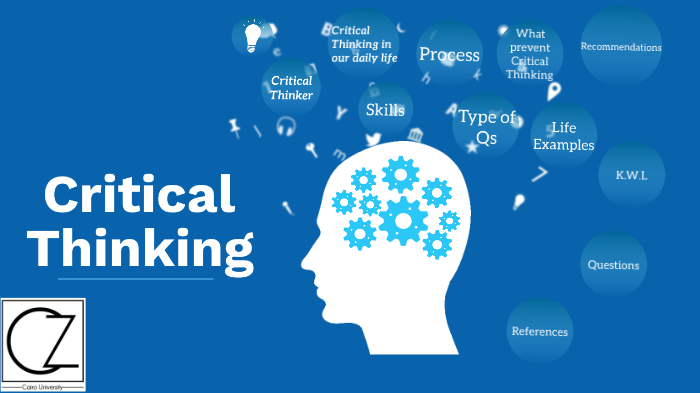
Critical thinking involves several key abilities:
-
Asking thoughtful questions
-
Evaluating evidence carefully
-
Recognizing bias or logical fallacies
-
Considering multiple perspectives
By practicing these skills, individuals become better equipped to judge the validity of opinions presented in discussions, media, or debates.
Why Critical Thinking Matters in Evaluating Opinions
Avoiding Misinformation
False or misleading information spreads quickly online. Critical thinking helps people verify facts before believing or sharing them.
For example, organizations such as UNESCO promote media literacy and critical thinking to combat misinformation worldwide.
Improving Decision-Making
When individuals analyze opinions carefully, they make more rational and balanced decisions.
Critical thinkers typically:
-
Compare multiple viewpoints
-
Examine supporting evidence
-
Identify emotional manipulation
This leads to better judgment in both personal and professional situations.
Encouraging Independent Thought
Instead of simply accepting popular opinions, critical thinkers form their own conclusions based on evidence and logical reasoning.
Key Elements of Critical Thinking
To fully understand important to recognize the main components of this skill.
1. Analysis
Analysis involves breaking down information into smaller parts to understand its structure and meaning.
For example, when evaluating an opinion article, you might analyze:
-
The main argument
-
Supporting evidence
-
The credibility of sources
2. Evaluation
Evaluation means assessing the strength and reliability of arguments.
Questions to ask include:
-
Is the evidence credible?
-
Is the reasoning logical?
-
Are there alternative viewpoints?
3. Interpretation
Interpretation helps people understand the context and meaning of information.
Critical thinkers look beyond surface statements to understand the deeper message behind opinions.
4. Reflection
Reflection allows individuals to reconsider their own beliefs and biases.
This step ensures that conclusions are based on evidence rather than personal assumptions.
How to Apply Critical Thinking When Evaluating Opinions
Developing critical thinking skills requires practice and awareness.
Question the Source
Always examine where the information comes from.
Ask yourself:
-
Is the source trustworthy?
-
Does the author have expertise on the topic?
-
Are reliable references included?
Look for Evidence
Strong opinions should be supported by credible evidence such as data, research, or expert analysis.
If an opinion lacks evidence, it may rely more on emotion than facts.
Identify Bias and Assumptions
Every writer or speaker may have personal beliefs that influence their viewpoint.
Recognizing bias helps you understand the limitations of an argument.
Compare Multiple Perspectives
Instead of relying on a single viewpoint, consider different opinions before forming a conclusion.
This approach provides a broader understanding of complex issues.
because it prepares students for real-world challenges.
Academic Success
Students who develop critical thinking skills perform better in research, writing, and problem-solving.
Fields like philosophy, psychology, and journalism particularly rely on strong analytical thinking.
Responsible Citizenship
In democratic societies, citizens must evaluate political opinions and public policies carefully.
Critical thinking helps voters make informed decisions based on facts rather than propaganda.
Professional Growth
Employers value employees who can analyze problems, evaluate options, and propose logical solutions.
Critical thinking, therefore, contributes to career advancement.
Important Related Keywords People Search on Google
These keywords commonly appear on the first page of Google and help improve SEO relevance:
-
Importance of critical thinking
-
How to evaluate opinions critically
-
Critical thinking skills examples
-
Why critical thinking matters
-
Critical thinking in decision-making
-
How to analyze arguments logically</p></li>
Including these </span>keywords naturally strengthens search visibility.
Conclusion
Understanding is essential in a world filled with information and competing viewpoints. By developing strong analytical skills, individuals can distinguish facts from assumptions, recognize bias, and make well-informed decisions.
Critical thinking empowers people to think independently and approach complex issues with clarity and logic. Whether in education, professional life, or everyday discussions, applying.
