

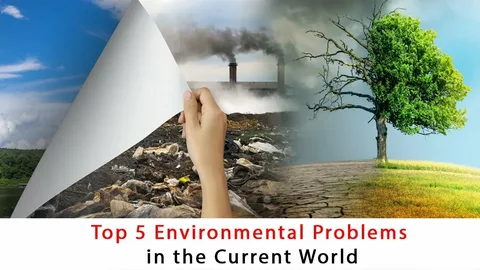
The Key Environmental Issues Affecting the World Today are no longer distant concerns—they are urgent global challenges shaping our future. From rising global temperatures to plastic-filled oceans, environmental problems impact ecosystems, economies, and human health worldwide. Climate change intensifies natural disasters, pollution threatens biodiversity, and deforestation reduces vital carbon sinks.
Understanding the key environmental issues affecting the world todments aiming to create sustainable solutions. While industrial growth and technological advancements have improved living standards, they have also contributed to environmental degradation. The good news? Awareness is growing, and innovative strategy is essential for individuals, communities, and governes are emerging to protect the planet.
This guide explores the most pressing environmental challenges and practical actions we can take to support sustainability and global well-being.
Understanding the Key Environmental Issues Affecting the World Today
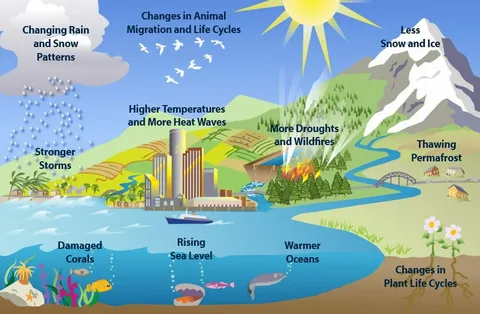
Environmental challenges are interconnected. One issue often intensifies another. Let’s explore the major problems dominating global discussions.
1. Climate Change and Global Warming
Climate change remains one of the most critical environmental concerns worldwide.
Causes of Climate Change
-
Burning fossil fuels
-
Deforestation
-
Industrial emissions
-
Transportation pollution
Impact on the Planet
-
Rising sea levels
-
Extreme weather events
-
Melting glaciers
-
Heatwaves and droughts
According to the United Nations, climate change is one of the defining challenges of our time, requiring global cooperation and sustainable action.
Popular related first-page keywords include:
-
climate change effects
-
global warming causes
-
carbon footprint reduction
-
renewable energy solutions
-
sustainable living tips
2. Air Pollution and Public Health
Air pollution significantly affects human health.
Major Sources of Air Pollution
-
Vehicle emissions
-
Industrial factories
-
Burning coal and oil
-
Agricultural chemicals
Health Consequences
Air pollution contributes to respiratory diseases, heart conditions, and premature deaths.
The World Health Organization reports that millions of people die each year due to air pollution exposure.
Reducing emissions and promoting clean energy are critical solutions.
3. Water Pollution and Scarcity
Clean water is essential for survival, yet contamination and scarcity remain pressing concerns.
Causes of Water Pollution
-
Industrial waste discharge
-
Plastic pollution
-
Agricultural runoff
-
Oil spills
Water Scarcity Challenges
Climate change and overuse of groundwater intensify shortages in many regions.
Protecting freshwater sources is vital to address key environmental issues affecting the world today.
4. Deforestation and Habitat Loss
Forests play a crucial role in regulating the climate and supporting biodiversity.
Why Deforestation Happens
-
Agricultural expansion
-
Logging
-
Urban development
-
Mining activities
Deforestation increases carbon emissions and destroys habitats for countless species.
Protecting forests is essential to combat climate change and preserve ecosystems.
5. Biodiversity Loss and Species Extinction
Biodiversity ensures ecological balance. However, habitat destruction, pollution, and climate change threaten wildlife survival.
Why Biodiversity Matters
-
Maintains ecosystem stability
-
Supports food production
-
Protects medicinal resources
Conservation efforts and wildlife protection programs are necessary to safeguard natural habitats.
6. Plastic Pollution Crisis
Plastic waste has become one of the most visible key environmental issues affecting the world today.
The Problem with Plastic Waste
-
Oceans are filled with microplastics
-
Harm to marine life
-
Long decomposition timelines
Reducing single-use plastics and improving recycling systems can mitigate this crisis.
7. Waste Management and Landfills
Rapid urbanization increases solid waste production.
Challenges in Waste Disposal
-
Overflowing landfills
-
Hazardous waste contamination
-
Inadequate recycling systems
Sustainable waste management practices, such as composting and recycling, are essential solutions.
8. Energy Consumption and Fossil Fuel Dependence
Global reliance on fossil fuels drives many environmental problems.
Transition to Renewable Energy
Solar, wind, and hydropower offer sustainable alternatives.
Investing in green technology reduces carbon emissions and supports environmental protection.
9. Ocean Degradation and Marine Pollution
Oceans absorb carbon dioxide and regulate global temperatures.
Threats to Marine Ecosystems
-
Overfishing
-
Coral reef bleaching
-
Oil spills
-
Plastic debris
Protecting oceans ensures food security and climate stability.
10. Sustainable Solutions and Individual Action
Addressing key environmental issues affecting the world today requires collective effort.
Government Policies
International agreements like those supported by the United Nations aim to reduce global emissions and promote sustainability.
Individual Contributions
You can:
-
Reduce energy consumption
-
Use public transportation
-
Recycle regularly
-
Support eco-friendly brands
-
Conserve water
Small actions collectively create meaningful impact.
The Role of Technology in Environmental Protection
Innovation plays a crucial role in solving environmental challenges.
Green Technology Advancements
-
Electric vehicles
-
Renewable energy systems
-
Carbon capture technology
-
Smart agriculture
Technology provides hope for reducing environmental damage.
Why Awareness Matters
Public awareness drives policy changes and corporate responsibility.
Search terms like:
-
environmental protection tips
-
sustainable development goals
-
renewable energy benefits
-
eco-friendly lifestyle
-
climate change solutions
reflect increasing global concern.
Education empowers communities to demand sustainable practices.
Conclusion: Addressing Key Environmental Issues Affecting the World Today
The Key Environmental Issues Affecting the World Today demand immediate and sustained action. Climate change, pollution, biodiversity loss, and resource depletion threaten global stability and human health. However, progress is possible through innovation, responsible policies, and collective effort.
Start by making conscious lifestyle changes and supporting sustainable initiatives. When individuals, businesses, and governments work together, we can create a healthier planet for future generations.
