

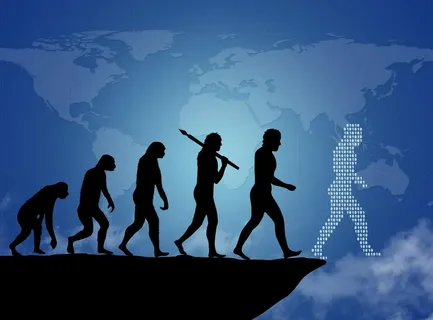
The Evolution of the World Through Time and Human Progress is a story of survival, discovery, innovation, and transformation. From the formation of Earth billions of years ago to the rise of ancient civilizations and today’s digital revolution, humanity has continuously reshaped the planet and its own destiny.
Understanding how the world evolved helps us appreciate scientific breakthroughs, cultural achievements, and technological advancements that define modern society. It also teaches valuable lessons about sustainability, resilience, and global cooperation. In this comprehensive guide, we explore the major milestones that shaped human civilization and examine how progress continues to influence our future.
Understanding the Early Evolution of Our Planet
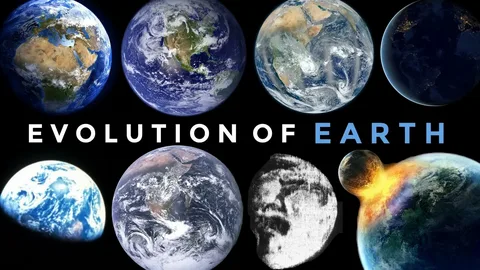
Before human progress began, Earth itself underwent dramatic transformations.
Formation of Earth and Early Life
-
Earth formed around 4.5 billion years ago
-
Volcanic activity shaped continents
-
Oceans developed
-
The first microorganisms appeared
The study of Earth’s origins is central to the world history timeline, geological evolution, and origin of life on Earth—all high-ranking search topics today.
These early changes created the foundation for human civilization.
The Evolution of the World Through Time and Human Progress in Ancient Civilizations
Human progress accelerated with the rise of early societies.
Agricultural Revolution
This change led to:
-
Permanent settlements
-
Population growth
-
Development of trade
-
Emergence of social structures
Agriculture laid the groundwork for civilization.
Rise of Ancient Civilizations
Major civilizations emerged in regions like:
-
Mesopotamia
-
Egypt
-
Indus Valley
-
China
They developed writing systems, legal codes, and architectural marvels.
Outbound Link Suggestion:
For reliable historical insights, readers can explore educational resources from the Smithsonian Institution (anchor text example: world history research archives).
Scientific Discoveries and Intellectual Growth
The next major phase in The Evolution of the World Through Time and Human Progress came with intellectual revolutions.
The Classical and Medieval Periods
Key advancements included:
-
Philosophy and mathematics
-
Astronomy and navigation
-
Medical knowledge
-
Engineering innovations
These developments shaped global civilizations and trade networks.
The Industrial Revolution: A Turning Point in Human Progress
The Industrial Revolution marked one of the most dramatic transformations in human history.
Key Impacts
-
Mechanized production
-
Urbanization
-
Transportation breakthroughs
-
Expansion of global markets
Important Google first-page keywords related to this stage include:
-
Industrial Revolution Timeline
-
history of technological advancement
-
economic development history
-
modernization of society
Industrialization changed economies and lifestyles permanently.
The Digital Age and Technological Advancement
Modern society reflects rapid innovation.
Major Digital Milestones
-
Invention of computers
-
Internet revolution
-
Artificial intelligence
-
Renewable energy development
Organizations such as the World Economic Forum regularly analyze global technological trends and human progress.
Technology now influences communication, education, healthcare, and business.
The Evolution of the World Through Time and Human Progress in the 21st Century
Today, progress is both exciting and challenging.
Globalization and Connectivity
The world is more connected than ever:
-
International trade
-
Cultural exchange
-
Global education
-
Digital collaboration
This interconnected world increases opportunity but also demands responsibility.
Environmental Awareness and Sustainability
Modern progress has environmental consequences.
Key Global Concerns
-
Climate change
-
Deforestation
-
Biodiversity loss
-
Pollution
Search queries like climate change effects, sustainable development goals, and environmental protection strategies rank highly on Google.
Balancing progress with sustainability is the next chapter of human evolution.
Cultural Evolution and Social Change
Human progress is not only technological—it is social.
Social Transformations Include:
-
Expansion of human rights
-
Education for all
-
Gender equality movements
-
Democratic governance
Societies continue to evolve through dialogue, reform, and innovation.
Internal Link Suggestion:
Link to another article using anchor text:
👉 “How Global Education Shapes Modern Society.”
Lessons from the Evolution of the World
Studyingthee Evolution of the World Through Time and Human Progress provides important insights:
-
Innovation drives survival.
-
Collaboration accelerates growth.
-
Sustainability ensures longevity.
-
Education empowers societies.
History teaches that progress must be guided by ethics and responsibility.
The Future of Human Progress
Looking ahead, humanity faces major questions:
-
How will AI transform jobs?
-
Can renewable energy replace fossil fuels?
-
How can global peace be strengthened?
-
What role will education play in future development?
Emerging technologies and global cooperation will define the next era.
Conclusion: Reflecting on The Evolution of the World Through Time and Human Progress
The journey of The Evolution of the World Through Time and Human Progress reveals humanity’s extraordinary ability to adapt, innovate, and transform. From ancient settlements to artificial intelligence, progress defines our shared story.
As we move forward, we must apply the lessons of history to build a more sustainable and inclusive future. Continue exploring, learning, and reflecting on The Evolution of the World Through Time and Human Progress to better understand our past—and responsibly shape our future.
